Zazu Method
Zazu Method Origin story
I grew up in Québec, where learning English is expected, just as learning French is expected everywhere else in Canada. But outside Montréal, Québec is overwhelmingly francophone, and in my small town, English felt distant and almost exotic. I studied it from grade 4 through college, attended every class, did every assignment, and still barely passed. Without opportunities to practice, the language never became real, and I didn’t yet understand how deeply that would shape my future pathways.
In 2012, I realized that without English, my world would remain very small. I planned to pick cherries in the Okanagan Valley, but instead I spent the summer travelling across British Columbia, and fell in love with the province. Moving across the country without speaking the dominant language was far more difficult than I expected. It gave me a new understanding of how challenging integration truly is, even for someone as privileged as I was: Canadian-born, educated, and supported. It still took two years of entry‑level jobs and daily effort before I finally earned my first teaching position.
That job was teaching French in a small alternative school in Vancouver. I had three groups, from kindergarten to grade 7. My oldest class (seven students in grades 5, 6, and 7) was bored with the traditional workbook approach, and frankly, so was I. When I asked them about their past experiences learning French, they admitted it had always felt like hard work with little purpose.
I asked them how they preferred to learn. Their answers were creative: video games in French, reading and acting out plays, anything more alive than worksheets. They all loved fantasy stories, so I asked if they knew tabletop roleplaying games like Dungeons & Dragons. Most did, and they were excited to try.
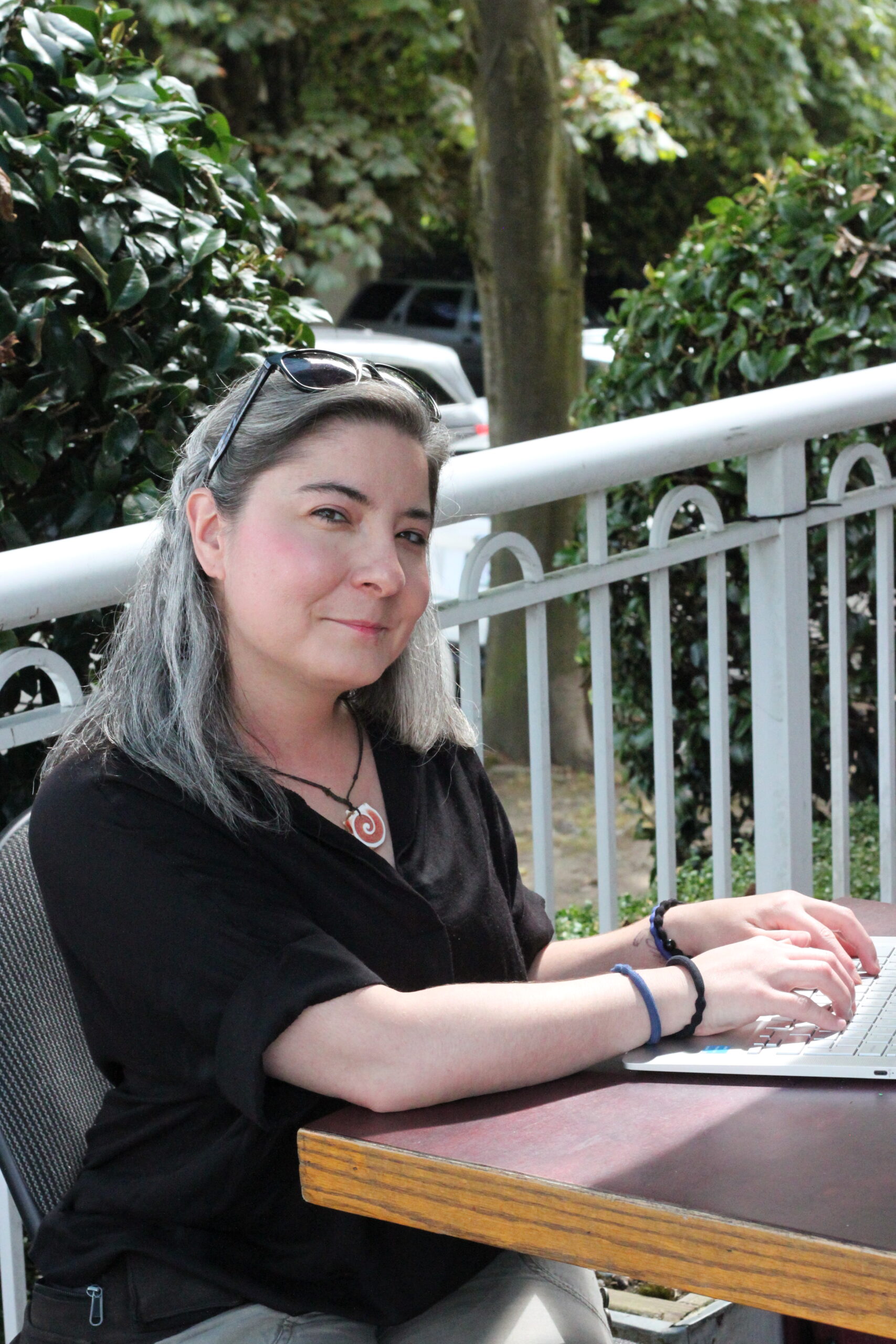

We continue strong...
That moment changed everything. Learning English in Québec had been painfully difficult for me, and I didn’t want my students to feel that same discouragement. I began building what would become the Zazu Method: a gentle, imaginative way to teach.
Over the years, I’ve used role‑playing adventures not only to teach French, but also to help students make friends, resolve conflicts, understand math concepts, rediscover literacy, and find joy in learning again. What began as a small experiment in one classroom has grown into a philosophy: learning should feel safe, playful, and meaningful, especially for those who need it most.
“All we have to decide is what to do with the time that is given to us!”
-Gandalf the Grey -

Zazu Method is proudly powered by WordPress